
The Inner Temple: Ep 3 - Early Worship Traditions Before Formal Temple Systems
Published: Mon Mar 16 2026
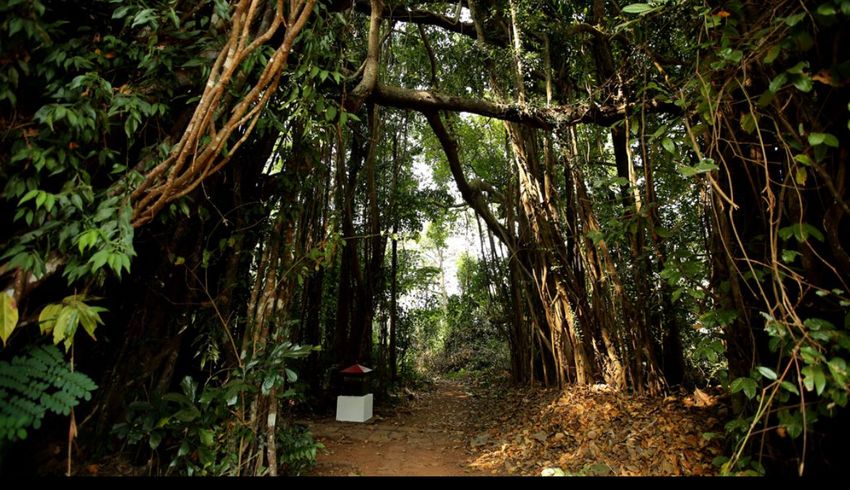
In the previous episodes, we explored how spiritual practices that were once personal and inward gradually became expressed through temple rituals and institutional systems.
In this episode, we explore an important question:
Did temples exist in India before the Agamic temple systems were written?
If they did, how were worship practices performed, and who were the spiritual authorities?
Historical and cultural studies suggest that sacred worship certainly existed long before the Agamic temple traditions developed. However, these were not temples in the later architectural sense.
Sacred places were usually connected directly with nature. They often existed in locations such as forests, sacred groves, mountains, caves, riverbanks, and open natural landscapes.
These places were understood as locations where divine presence could naturally be experienced.
Early Sacred Spaces Before Formal Temples
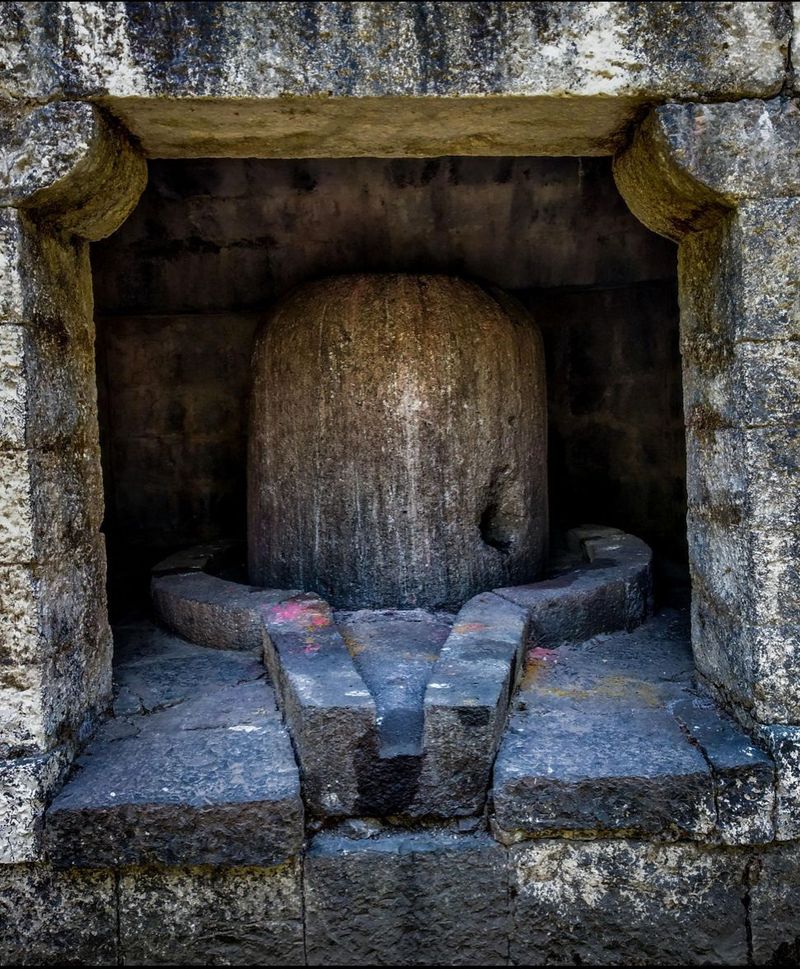
Before the development of formal temple architecture, sacred spaces were usually simple and natural.
Many worship sites included:
Forest groves and sacred woods
Hills and mountains
Natural stones or rock formations
Cave sanctuaries
Riverbanks and sacred water sources
Fire altars used for ritual offerings
These places did not usually have structures such as garbhagriha (inner sanctum), elaborate temple architecture, or formal consecration procedures.
Instead, the sacred was experienced as a living presence within nature.
Who Conducted the Rituals?
In many early traditions, ritual authority was not controlled by a hereditary priestly class.
Spiritual roles were often held by:
Tribal and forest-dwelling communities
Ritual specialists and shamans
Yogis and Siddhas
Spiritual practitioners connected with nature traditions
Women priestesses, particularly in goddess-centered traditions
Authority was not determined by birth but by experience, spiritual discipline, initiation, and connection with sacred power.
Priests were not necessarily socially elevated figures; they often lived among the community as ordinary members of society.
Forms of Worship
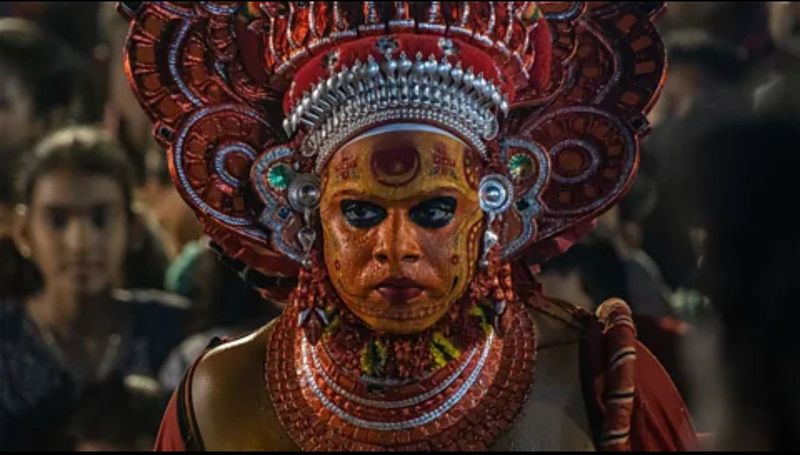
The forms of worship were usually simple and deeply connected with community life.
Common ritual practices included:
Offering incense or sacred smoke
Flowers and fruits
Food offerings
Fire rituals (homa)
Grain offerings
In some regions, animal offerings
Chanting of sacred sounds or mantras
Ritual drumming and rhythmic music
Sacred dance
Altered states such as trance or possession
These practices were often communal experiences and were closely connected with the rhythms of nature.
Early Forms of Deities
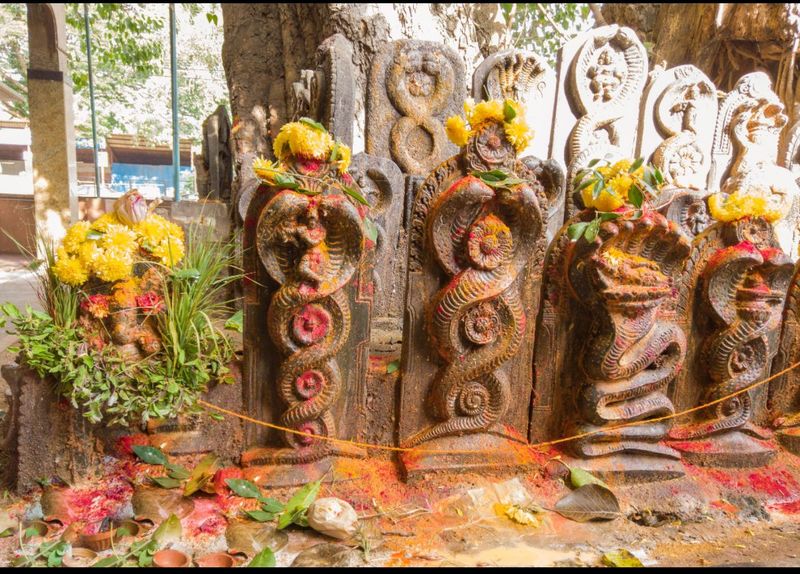
Before the emergence of formal temple iconography, many sacred beings were understood primarily as living forces of nature rather than permanent sculpted idols.
Examples of such sacred presences include:
Ascetic or yogic forms associated with Shiva
Mother or goddess forms representing fertility and protection
Serpent spirits
Local guardian deities
Forest spirits
Fire and sun as sacred forces
Yogis, Siddhas, or Bhairava-like protectors
In this worldview, a deity was not merely a statue but a living presence connected with nature and spiritual power.
The Role of Later Temple Traditions
Texts such as the Kāmikāgama (around the 5th–6th centuries CE) did not necessarily create worship traditions from the beginning. Instead, they organized and systematized practices that already existed in different regions.
In this process several changes gradually occurred:
Natural sacred presence became formal deity images
Forest or open landscapes became constructed temples
Yogis and Siddhas became formal ritual authorities
Local practices were incorporated into structured ritual systems
Ritual procedures also became more detailed and formalized over time.
The Role of Indigenous Communities
Forest-dwelling and indigenous communities were not merely peripheral participants in early worship traditions.
In many regions, they were among the primary custodians of sacred practices connected with nature and local landscapes.
Long before formal temple institutions existed, sacred presence was already honored and experienced through these traditions.
Later temple systems did not completely replace these traditions but often absorbed and reshaped them within more formal religious frameworks.
Understanding this historical development helps us see that temple traditions are the result of a long and complex cultural evolution.
Behind the outer structures of temples, the deeper teaching still points toward the inner temple within the human being.
To be continued…
Author
Akin Muraleedharan
Traditional Ritual Practitioner
Siddha Marma & Mantra Tradition