
The Inner Temple: Ep 2 - From Inner Spiritual Practice to Temple Ritual Systems
Published: Sat Mar 07 2026
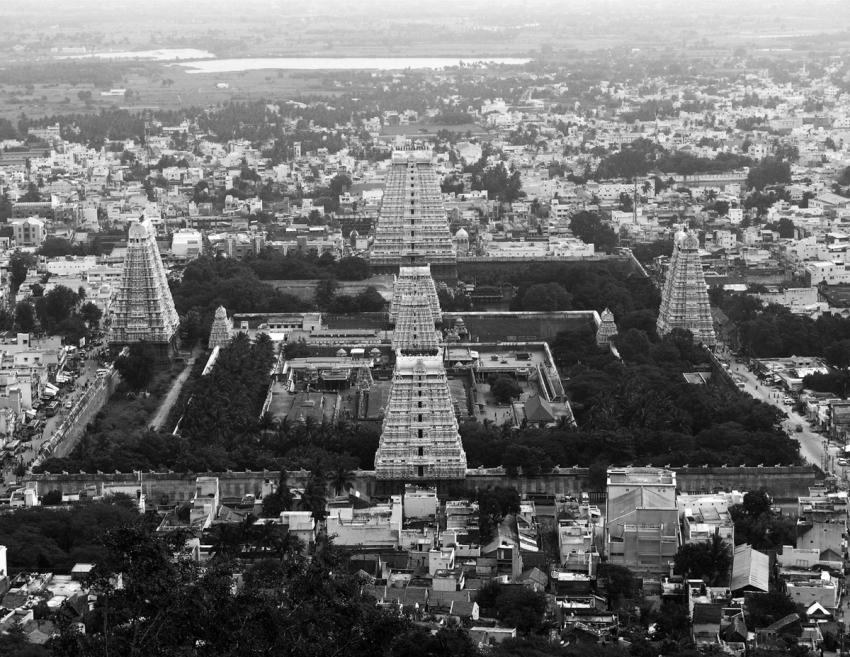
In earlier times, these spiritual teachings were primarily practiced as personal paths of inner realization. They were transmitted directly from teacher to disciple and focused mainly on the transformation of the individual.
Over time, however, these inner spiritual methods began to take an external form within temple culture. As temples were constructed and became centers of worship for communities, many of these practices were gradually organized into formal ritual systems associated with temples.
In this process, the original inner teachings were simplified and adapted so that they could be practiced within public religious institutions. As a result, what had once been primarily an inner spiritual discipline began to appear outwardly as temple-based ritual traditions.
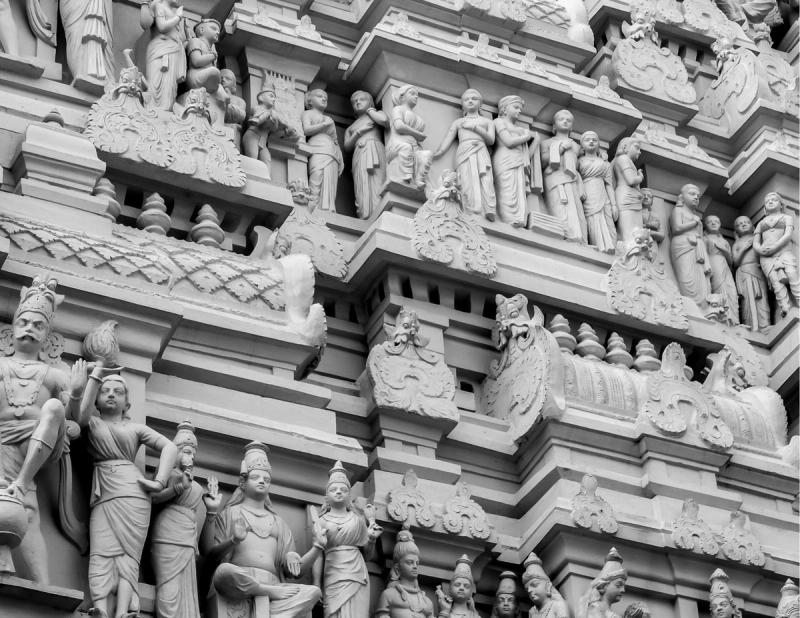
Historical sources suggest that after the earlier Shaiva Agamas, texts such as the Kāmikāgama (around the 5th–6th centuries CE) described many of the ritual procedures associated with temples. Similarly, architectural principles related to temple construction were discussed in texts such as the Mayamata, which explains traditional guidelines of sacred architecture.
In later centuries, several Shakta texts also described temple-related rituals and practices. Among these are works such as the Kularnava, Rudra Yamala, and Tantraraja, which contain various ritual methods connected with worship traditions.
In the Vaishnava tradition as well, temple rituals and procedures were described in texts such as the Vaikhanasa Agamas, which are believed to have developed between the 3rd and 5th centuries CE.
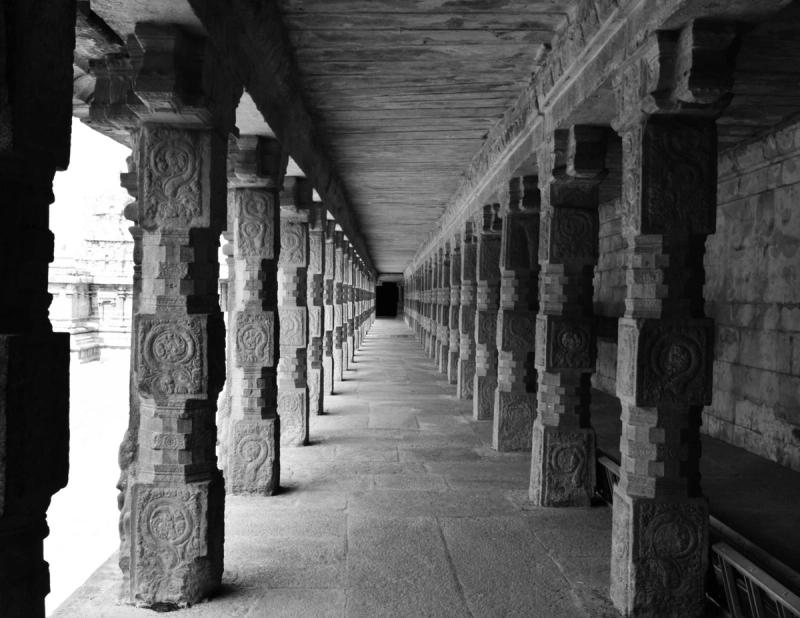
Some historians also suggest that structured temple architecture existed earlier in Buddhist and Jain traditions, and that these early architectural models may have influenced the later development of Hindu temple systems.
Based on historical and archaeological studies, the temple ritual systems that we see today in India are believed to have developed roughly 1800–2000 years ago.
The Agamic temple traditions are generally associated with the period between 200–600 CE, while many of the large classical temples that exist today were constructed between 600–1200 CE.
Some of the Oldest Surviving Temples in the Indian Subcontinent
🕉️ Mundeshwari Devi Temple (Bihar)
Believed to date back to the 2nd–3rd century CE, and considered one of the oldest functioning Hindu temples.
☸️ Mahabodhi Temple (Bodh Gaya)
Originally established around the 3rd century BCE, associated with the enlightenment of the Buddha.
🪔 Udayagiri–Khandagiri Caves (Odisha)
Jain cave complexes dating back to the 2nd century BCE, representing some of the earliest sacred architectural structures in the region.
Understanding this historical development helps us see how inner spiritual traditions gradually became expressed through temple architecture, rituals, and sacred institutions.
Yet behind these outer forms, the deeper spiritual teaching still points toward the inner temple within the human being.
To be continued…